Washington, August 19, 2026
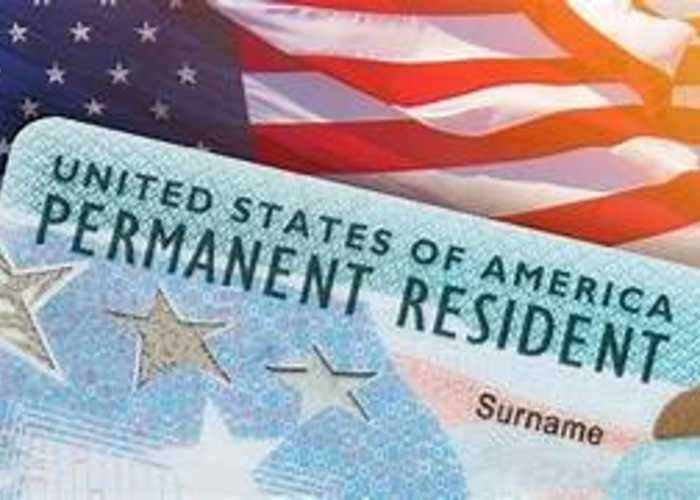
Thousands of Indians seeking permanent residency in the United States could face broader scrutiny of their finances and use of government benefits under revised “public charge” rules taking effect on September 18.
The Department of Homeland Security has rescinded the 2022 Biden-era regulations, restoring wider discretion to US Citizenship and Immigration Services (USCIS) officers when determining whether an applicant is likely to become a public charge. The final rule was published in the Federal Register on July 20 and will apply to adjustment-of-status applications postmarked or electronically submitted on or after September 18.
Under the revised framework, officers will be able to consider a broader range of means-tested public benefits, potentially including housing assistance, food assistance and certain healthcare benefits, when assessing an applicant’s overall circumstances. Benefits received before September 18 will continue to be evaluated under the 2022 regulations.
The rule could affect Indians seeking green cards through family- and employment-based categories. Most family-sponsored applicants are subject to the public charge assessment, including spouses, children and parents of US citizens, as well as spouses and children of lawful permanent residents.
Certain employment-based applicants are also covered, including priority workers, professionals with advanced degrees, people of exceptional ability, skilled workers, investors and religious workers.
Several humanitarian and special immigrant categories remain exempt under federal law, including refugees, asylees, certain victims of trafficking and qualifying criminal activity, and specified self-petitioners under the Violence Against Women Act.
USCIS officers will assess the applicant’s circumstances as a whole, including age, health, family status, assets and financial position, education and skills. The agency may also consider the Form I-864 affidavit of support, where applicable.
Importantly, receiving a covered benefit will not automatically result in a green card denial. Officers are required to consider relevant evidence and make determinations based on the totality of the circumstances. The new rule also revises provisions governing public charge bonds.
An applicant found inadmissible solely on public charge grounds may be invited to post a cash or surety bond. USCIS will not accept unsolicited bonds; an applicant can submit the relevant bond form only after receiving a notice from the agency inviting such a submission.
The changes are particularly significant for the large Indian immigrant community in the US. Department of Homeland Security data show that about 66,800 India-born immigrants became lawful permanent residents in fiscal 2024, representing about 4.9 per cent of the 1.36 million people granted permanent residence that year. Around 61 per cent of Indian recipients obtained permanent residence through adjustment of status while already in the US.
The revised rule reflects the Trump administration’s broader policy emphasis on self-sufficiency and limiting reliance on taxpayer-funded government benefits. USCIS has said the rescission restores broader authority for officers to evaluate all pertinent facts in public charge determinations.
For More News Updates Follow Us On www.tconews.in